Loading... Please wait...
Categories
 New Products
-
 $79.90
-
 $849.90
-
 $119.90
-
 $209.90
-
 $229.90
Our Newsletter
- Home
- Thai Buddha's
- Aunt Nadiene's Thai Carved Polished Peach Sapphire Rough Buddha Amulet - A LiDiex Chapel Find - The Voodoo Estate
- Home
- Thai Amulets
- Aunt Nadiene's Thai Carved Polished Peach Sapphire Rough Buddha Amulet - A LiDiex Chapel Find - The Voodoo Estate
- Home
- Gemstones
- Aunt Nadiene's Thai Carved Polished Peach Sapphire Rough Buddha Amulet - A LiDiex Chapel Find - The Voodoo Estate
- Home
- Buddha Depictions
- Aunt Nadiene's Thai Carved Polished Peach Sapphire Rough Buddha Amulet - A LiDiex Chapel Find - The Voodoo Estate
Aunt Nadiene's Thai Carved Polished Peach Sapphire Rough Buddha Amulet - A LiDiex Chapel Find - The Voodoo Estate


)
Product Description

~ Voodoo Priestess Estate ~ ©
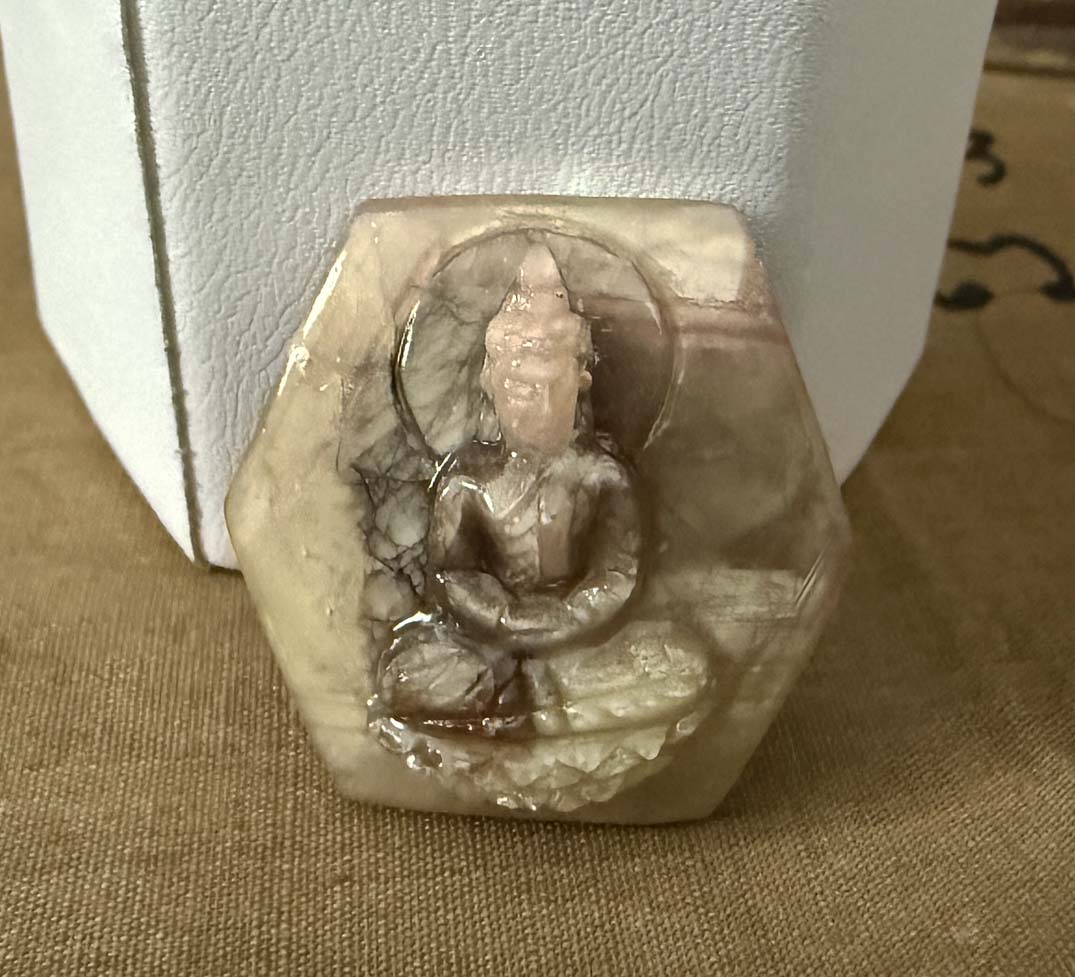
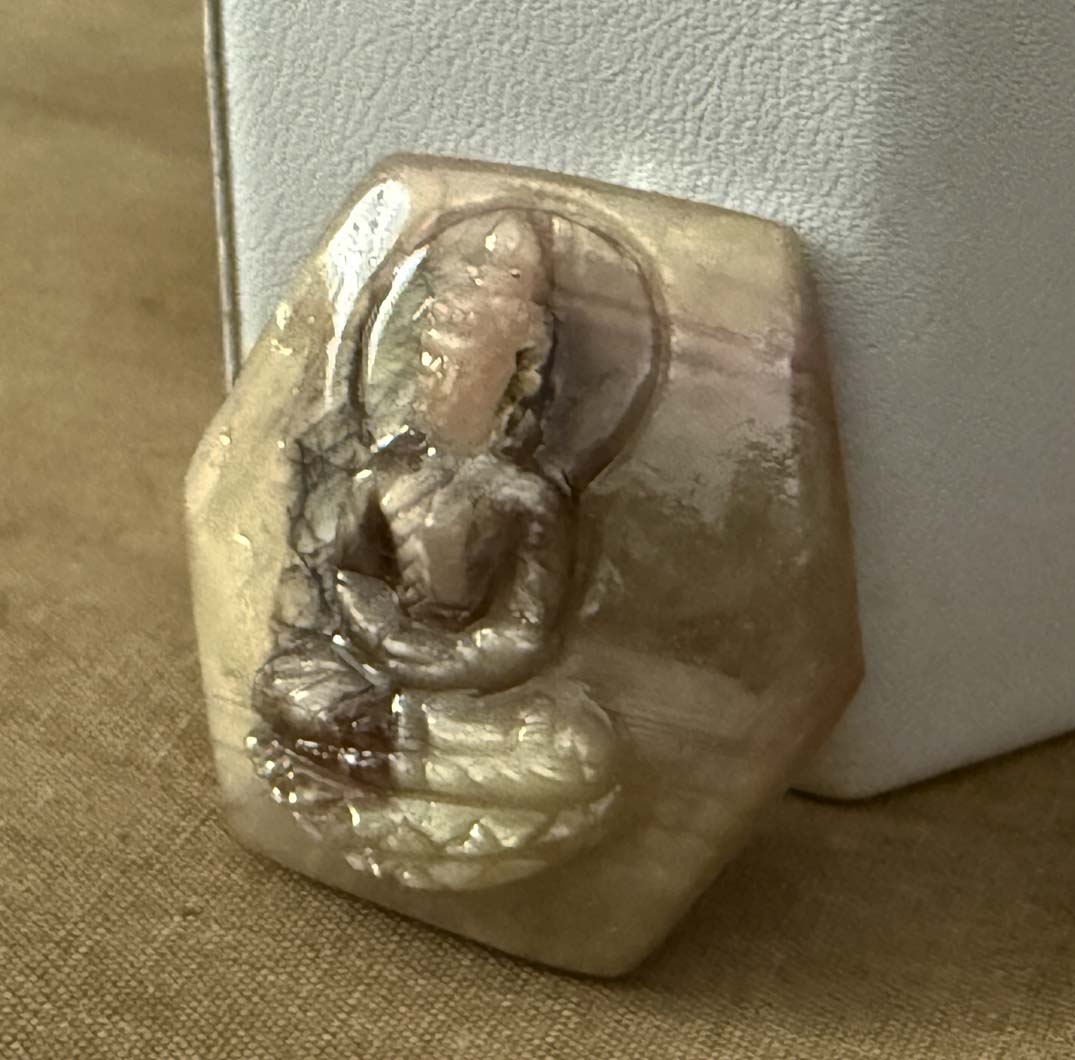
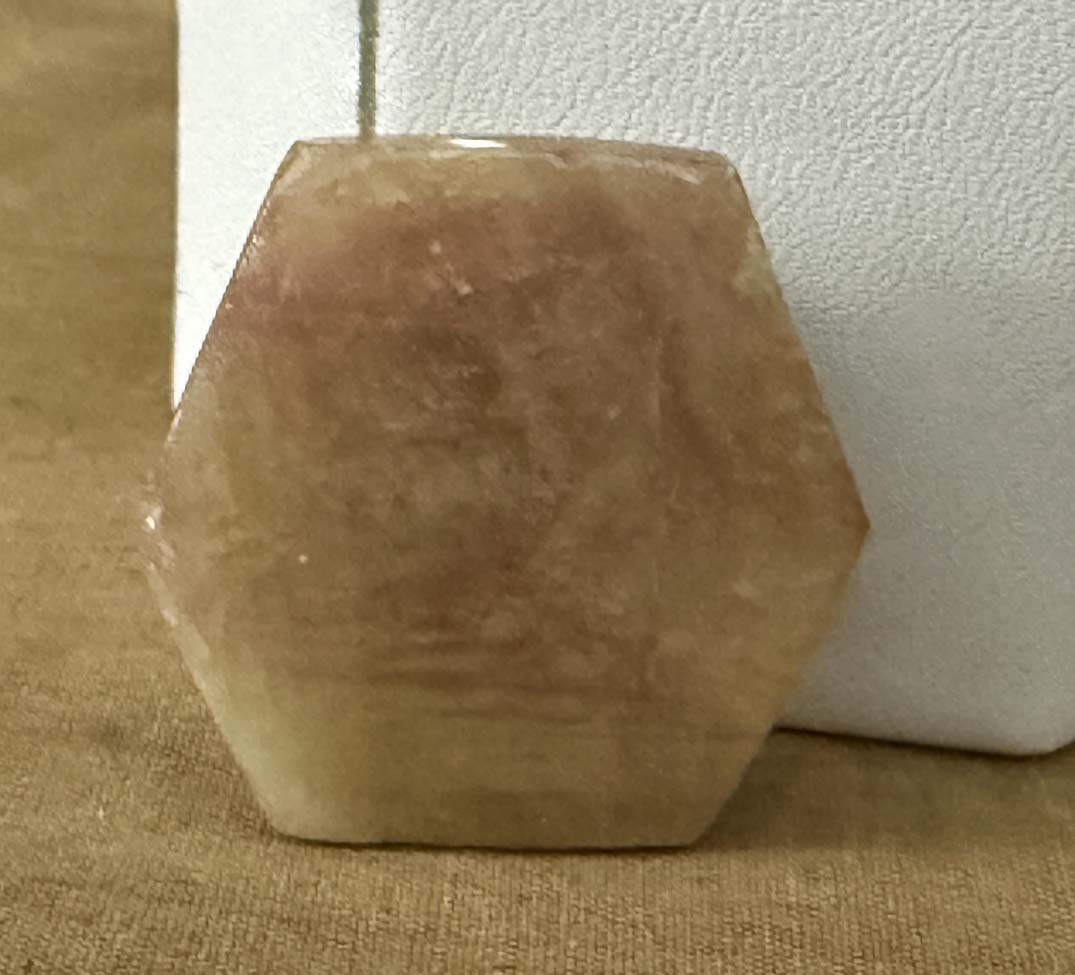
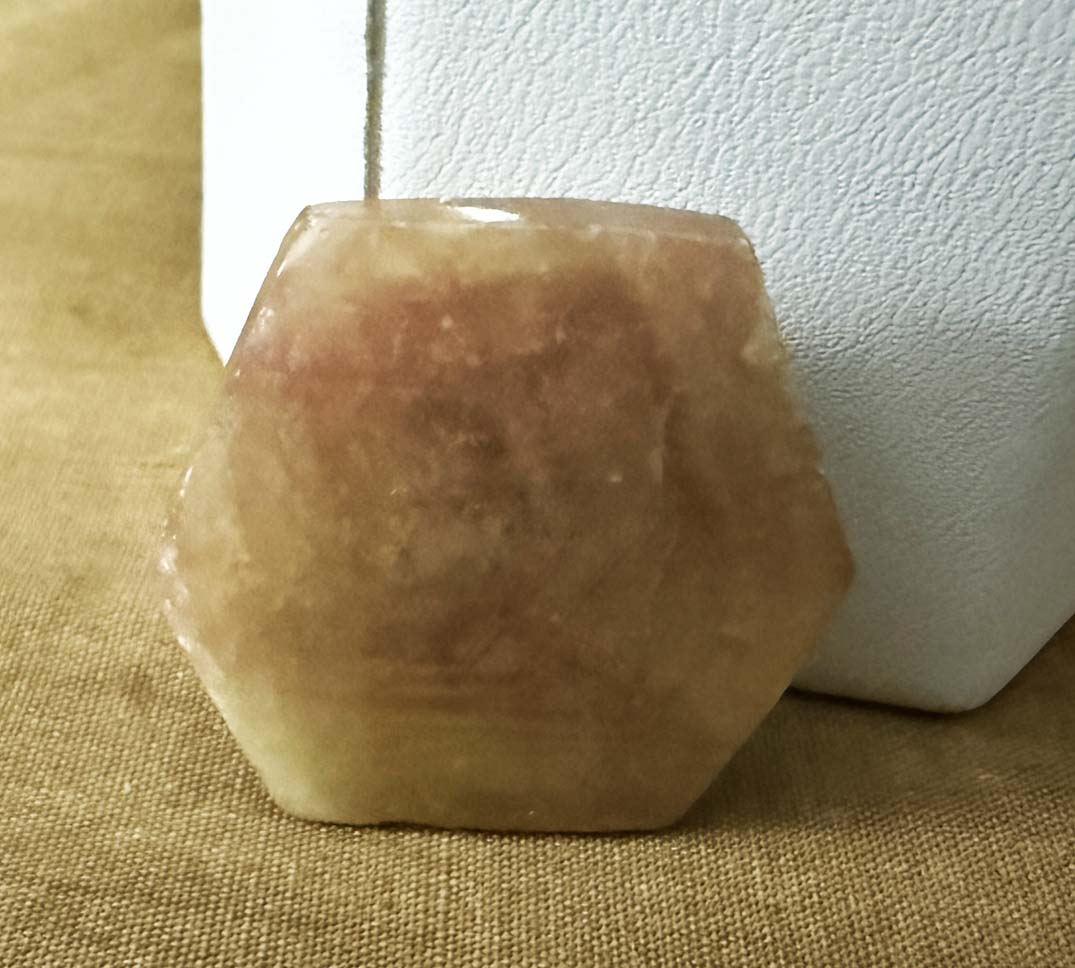
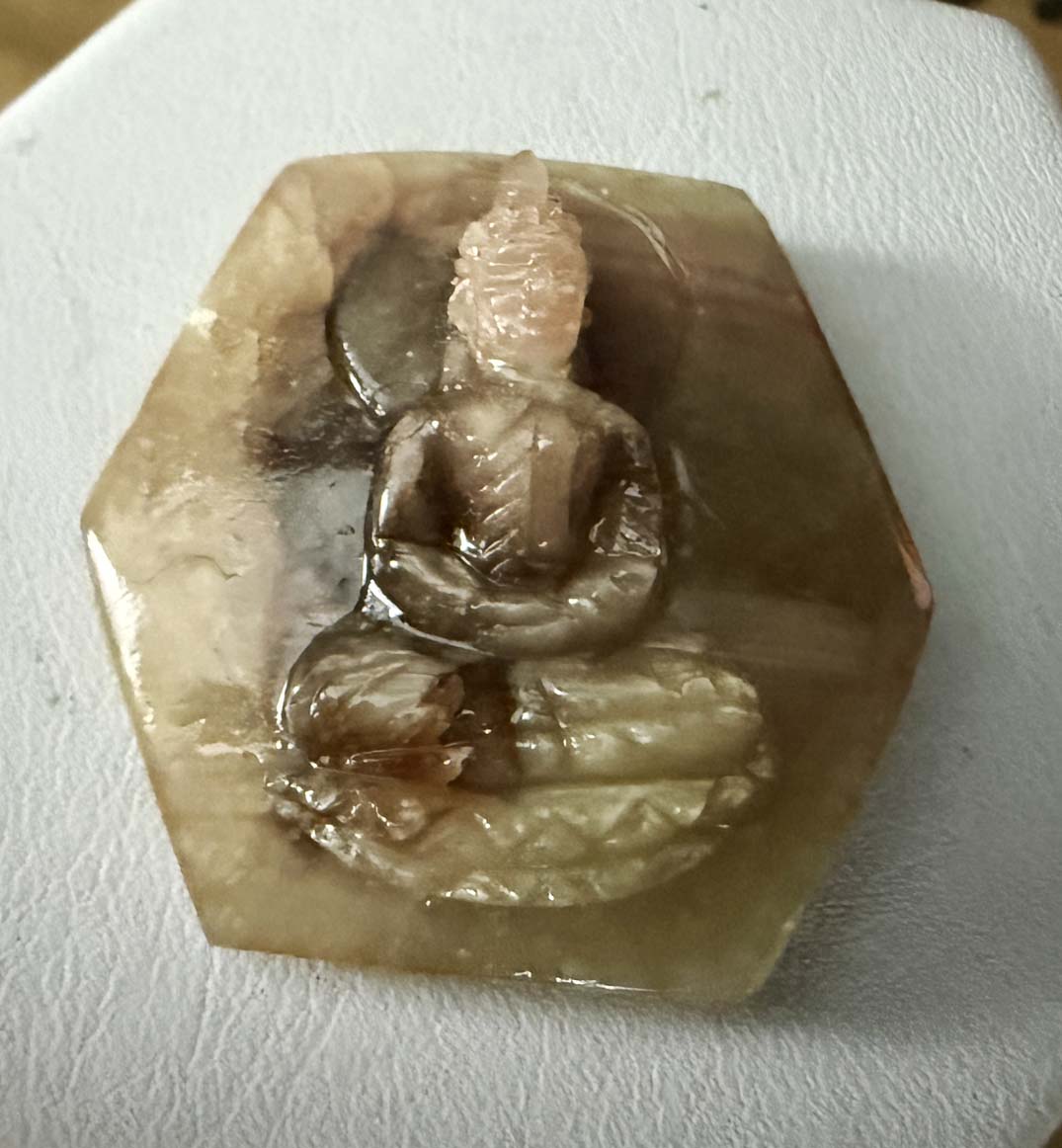
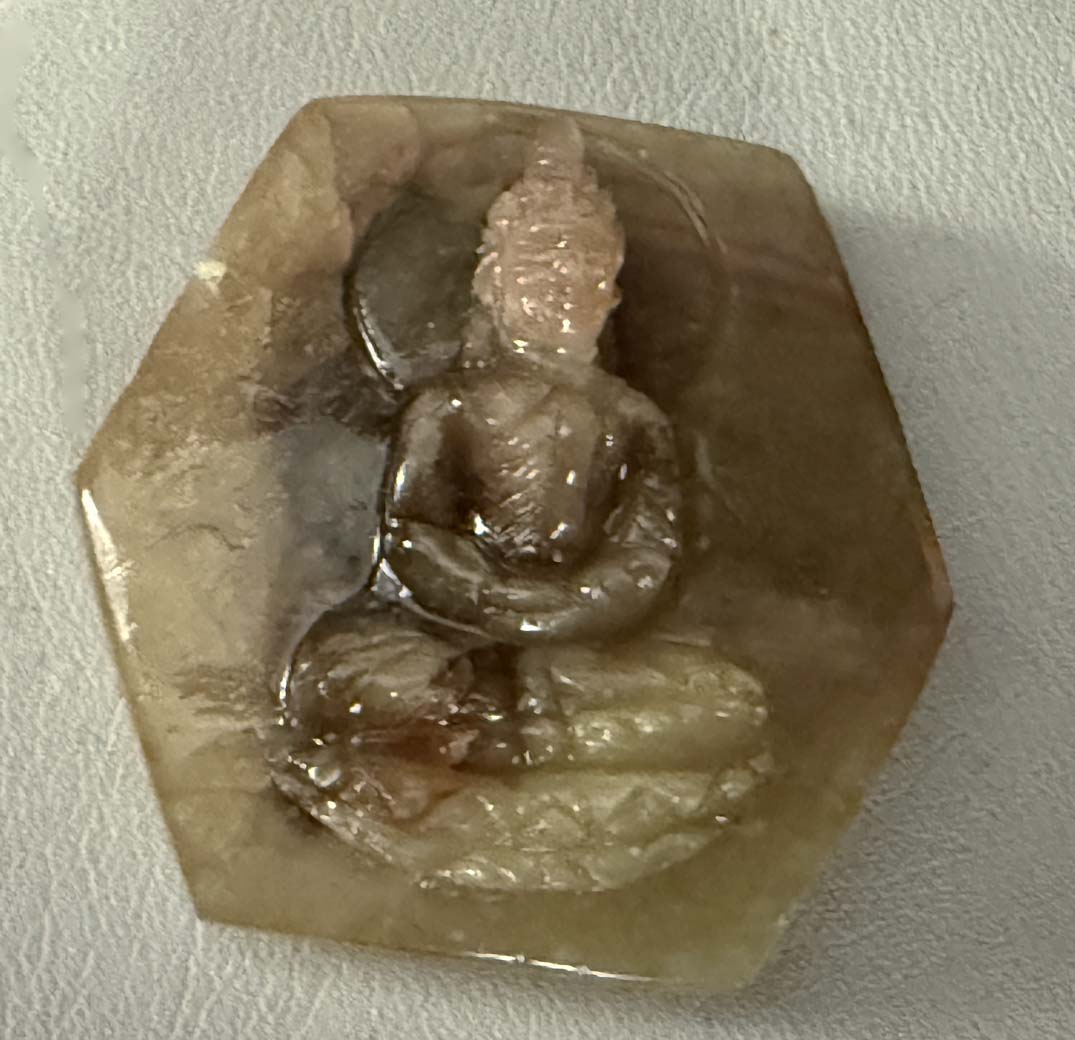
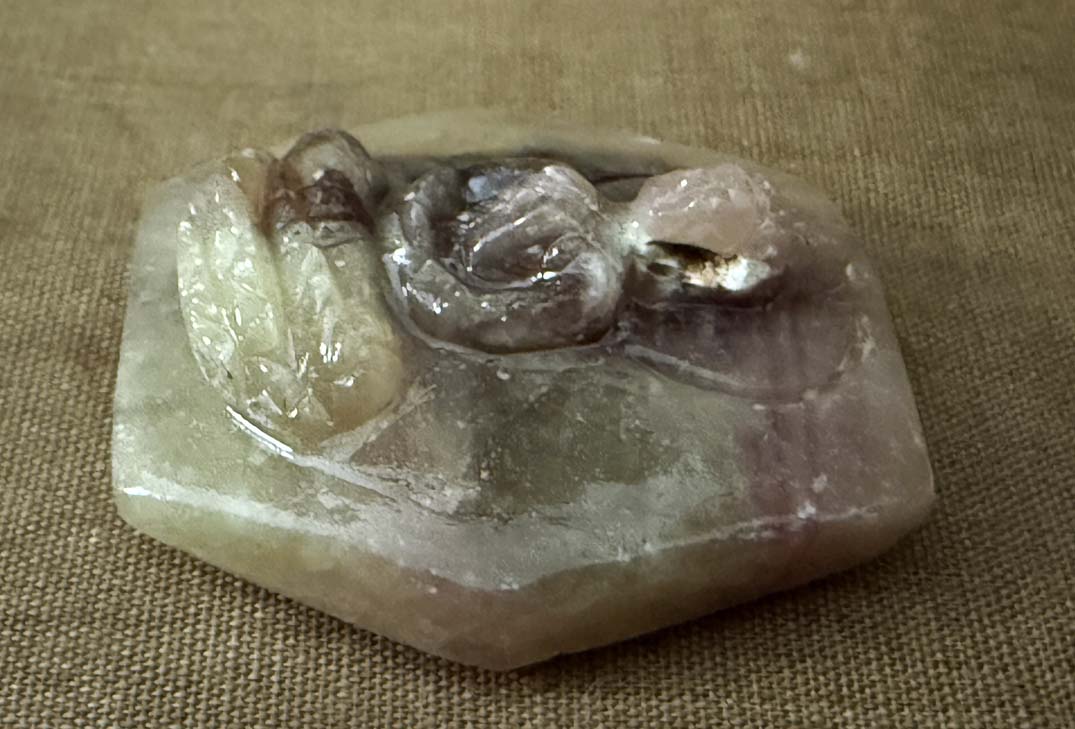
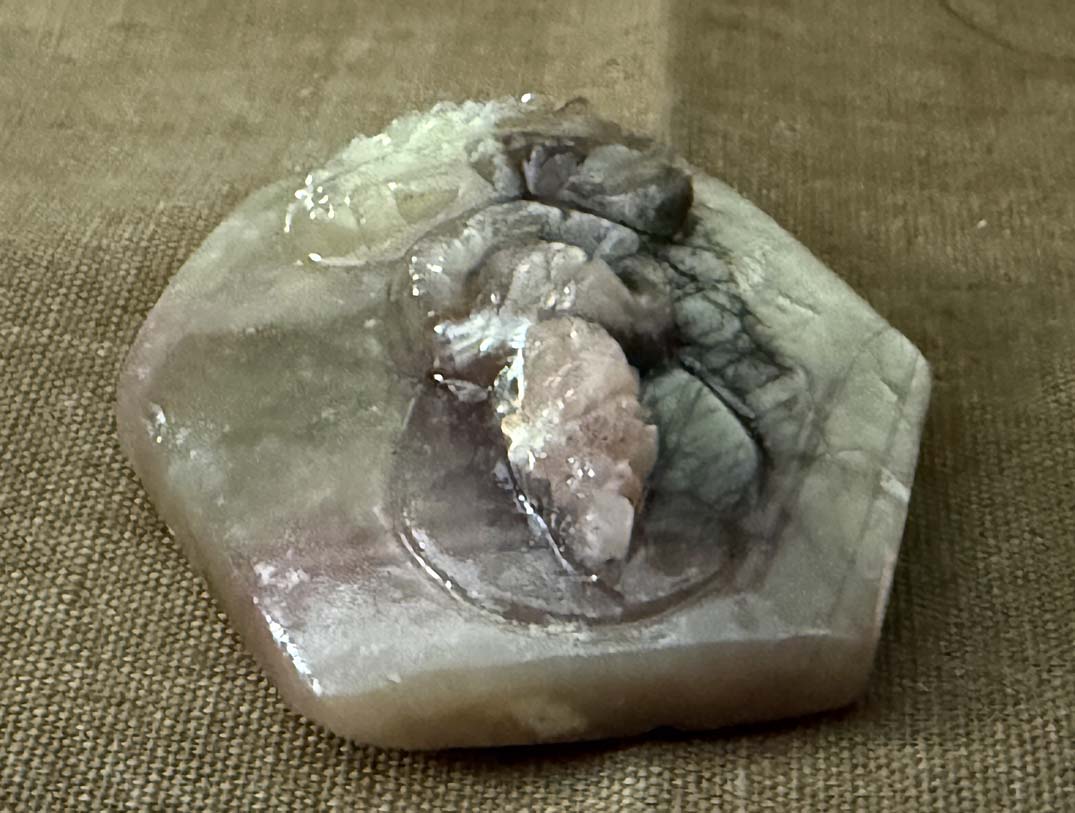
Aunt Nadiene's Thai Carved and Polished Peach Sapphire Rough Buddha Amulet
A LiDiex Shrine Find
~!~
This is another of our very long listings with an abundant text and 14 photographs, so please sit back and read the listing through.
If you have come this far, we feel you will find it was worth the wait.
Twenty-four and a half years have now past since we were called to do an estate that had been closed up for seventeen years!
~!~
The Voodoo Estate!
This type of call usually gets us excited as they are a treasure trove. Located here in Florida, there was no electricity or running water so we rigged our own lighting and in we went. If you have ever seen the Adams Family you will have some idea as to what we were greeted with! Then the attorney handling the liquidation gave us some background. The estate had belonged to an alleged powerful Voodoo Priestess/JooJoo Exorcist, grand daughter of a Marie Laveau, and favored daughter of a Marie Glapion.
These names meant nothing to us, but the late night talk of Voodoo and exorcism in the old mansion was enough to make us decide to spend the night in a hotel and return in the morning to assess the estate. The rest is history.
Our research has shown that this woman was what she claimed and was indeed descended from a long line of well known Vodoun family originating in New Orleans in the early 1800's.
We were pretty unnerved by this until we discovered they were also devout Catholics! Although I have to admit this was unlike any Catholic home we have ever been in and some of the items found inside were a little more than unnerving. There was no feeling of dread or unwelcome in the mansion, however there was quite a bit of contraband and other items we can or will not sell here.
This is one of a few pieces from this estate we will be listing this week, so check our other listings!
We will, upon the new guardian's request, issue a named Letter of Authenticity with each lot from this estate, complying with the terms set forth to us by the estate's attorney.
Some Back Story
Found and recovered from what was named, "The LiDiex Chapel Room." This was not the largest of the altar rooms but large nonetheless, as it measured 17 x 24 feet! But it certainly was an unusual room that in describing, we could just as well be describing an ancient Cabinet of Curiosities. It was indeed used as their chapel, "a place of solace and meditation where ancestors are revered," according to one of her journal entries.
~!~
~!~
The research involved in this estate provides continuous fascination. This was a group of men known to most simply as LiDiex. Descendants of the original Man Known Only as "LiDiex" the first of them to arrive to this country who landed as a survivor and saboteur of the slave Ship Henrietta Marie in 1701. He then found his way to New Orleans to meet with the parents of the then infant grandmother of our priestess, Marie Laveau.
~!~
Although not a blood Aunt, she had been "taken into the fold as a child found" by her "mother" as she was said to refer to Marie Glapion. Further chronological investigation revealed her to be the daughter of a prostitute that was in her mother's (Marie Glapion) employ. Other notes found might lead one to believe her mother was an Algul. Described as a vampiric jinn like creature they claimed to have encountered in remote desert regions.
Our own research has not revealed very much other than Algul literally translates to "horse-leech" or "blood-sucking Jinn." An example was found in the 'Thousand and One Nights' as Amine. Although a drinker of blood, it is a Jinn, or demon that was never human. Unkillable by most means, it can be destroyed by fire and sometimes magic. Most inhabited unchartable regions of desert, but oil production has driven them from their homes and she claims "they live among us, posing no threat to adults save sexual fulfillment, but they must be watched around children and livestock."
~!~
It is not clear if Aunt Nadiene was abandoned by her mother or if the mother died, orphaning the girl, but she was apparently treated and referred to as a family member, indoctrinated along with her "niece" and for many years she was her traveling companion and guardian. Her journals note of Aunt Nadiene's passing in 1966.
She also notes of wearing Aunt Nadiene's jewelry, "Connected to her so closely in life, it awakens psychic qualities with a feeling of devotional joy to wear them."
Other journal entries allege incidents of Aunt Nadiene, "owl shape shifting," claiming the Great Horned Owl as being her spirit guide or token spirit animal, and because of this, her taking due care in the handling of owls in her bird and reptile ceremonies, not submitting them to the torturous ceremonial deaths many other species endured during these ceremonies.
She also notes of a number of dreams in which a Great Horned Owl wearing her aunt's jewelry would appear to her. They also go into detail of her gazing into her stones (sphere's), to draw upon Aunt Nadiene's power to help her in this life.
~!~
But Back to the Amulet
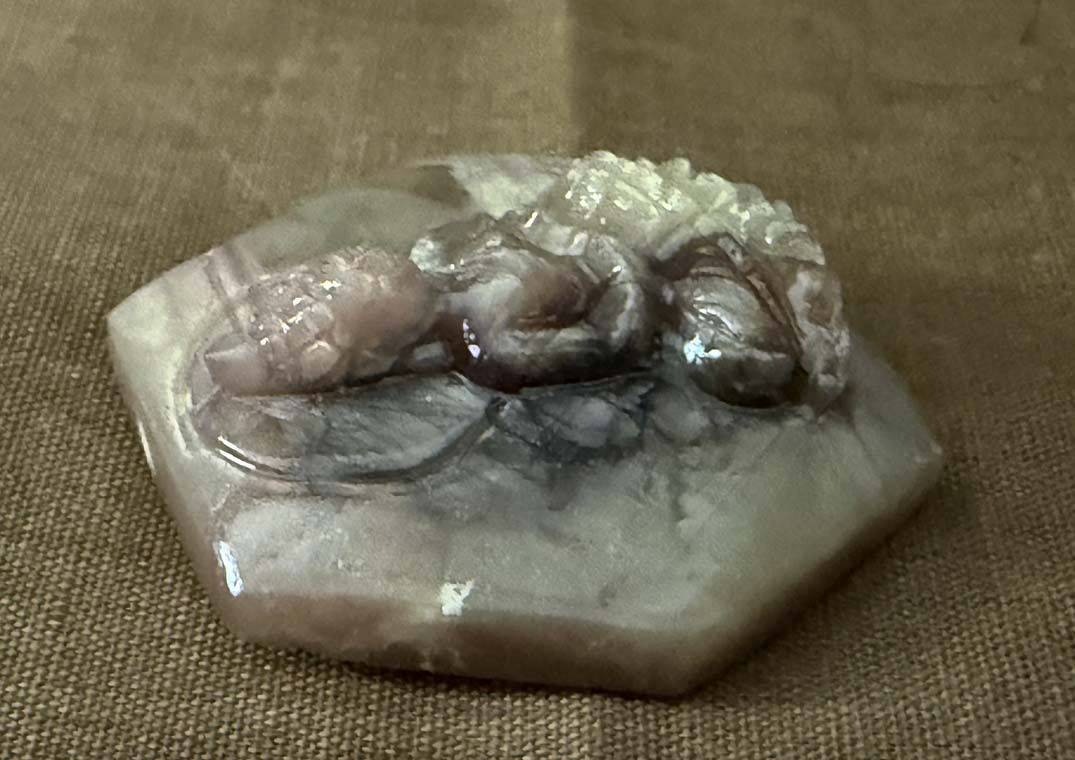
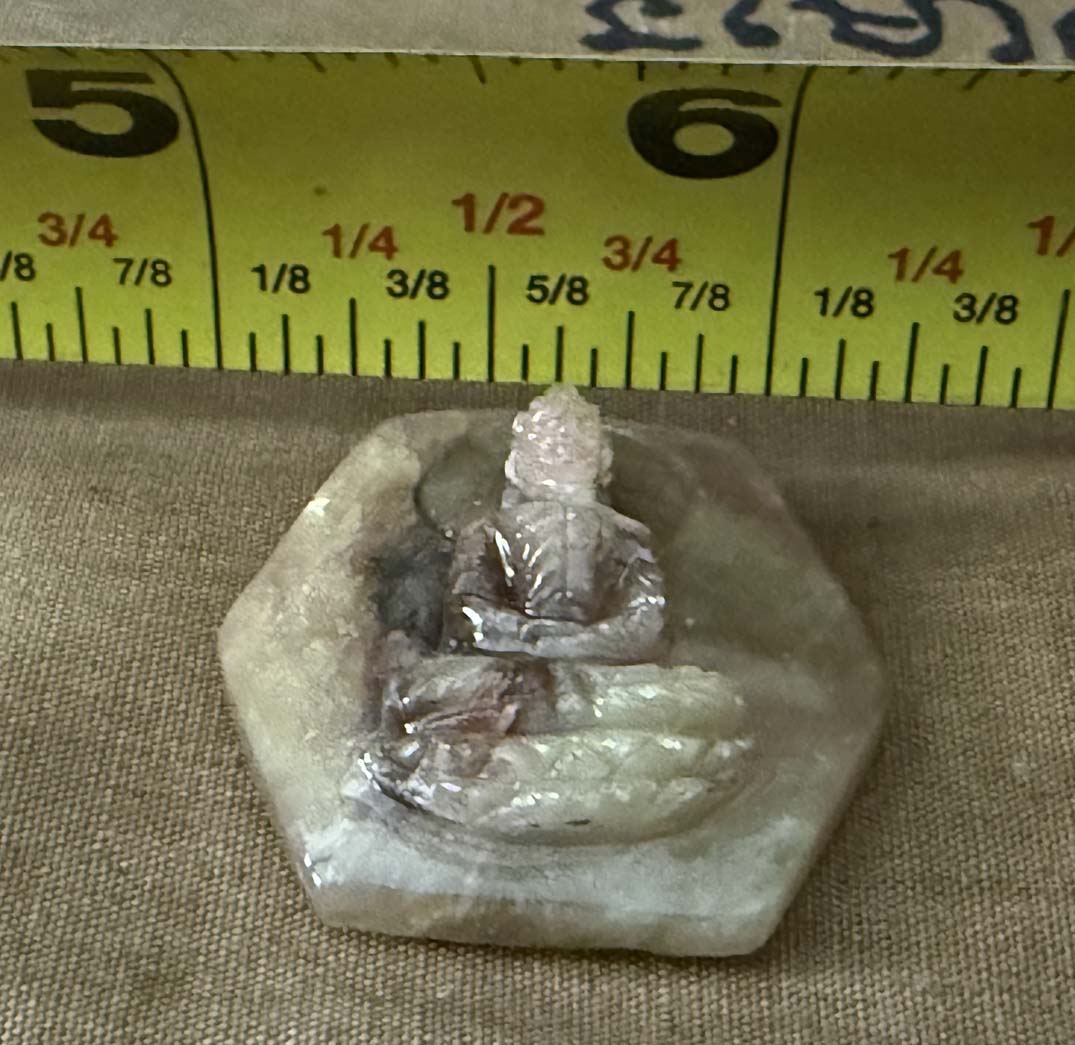
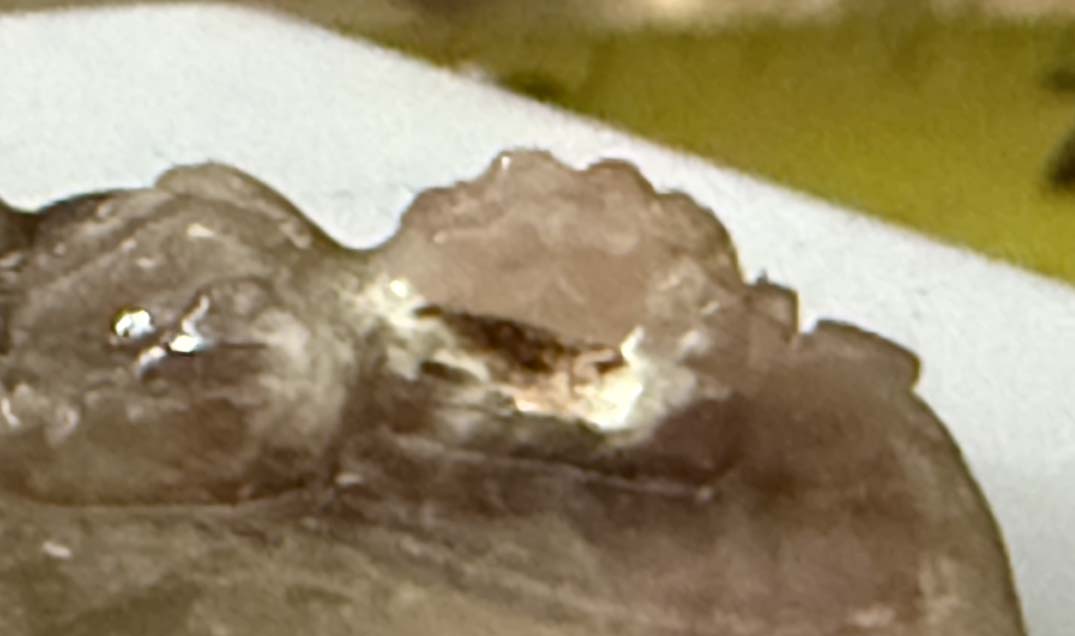
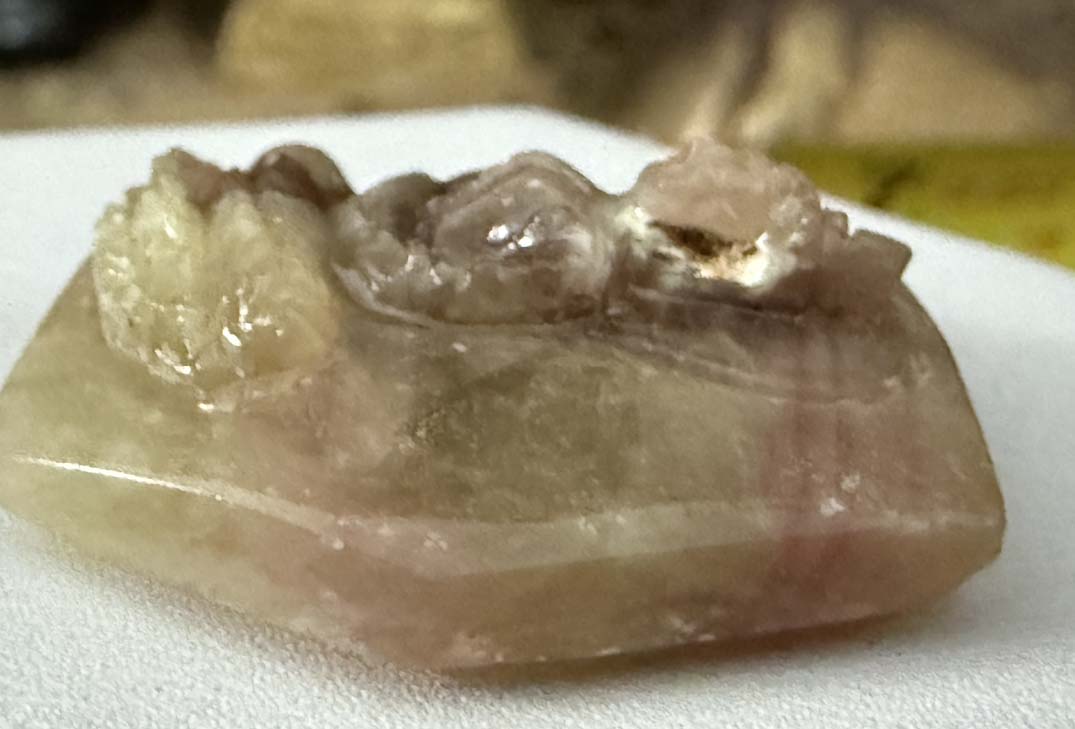
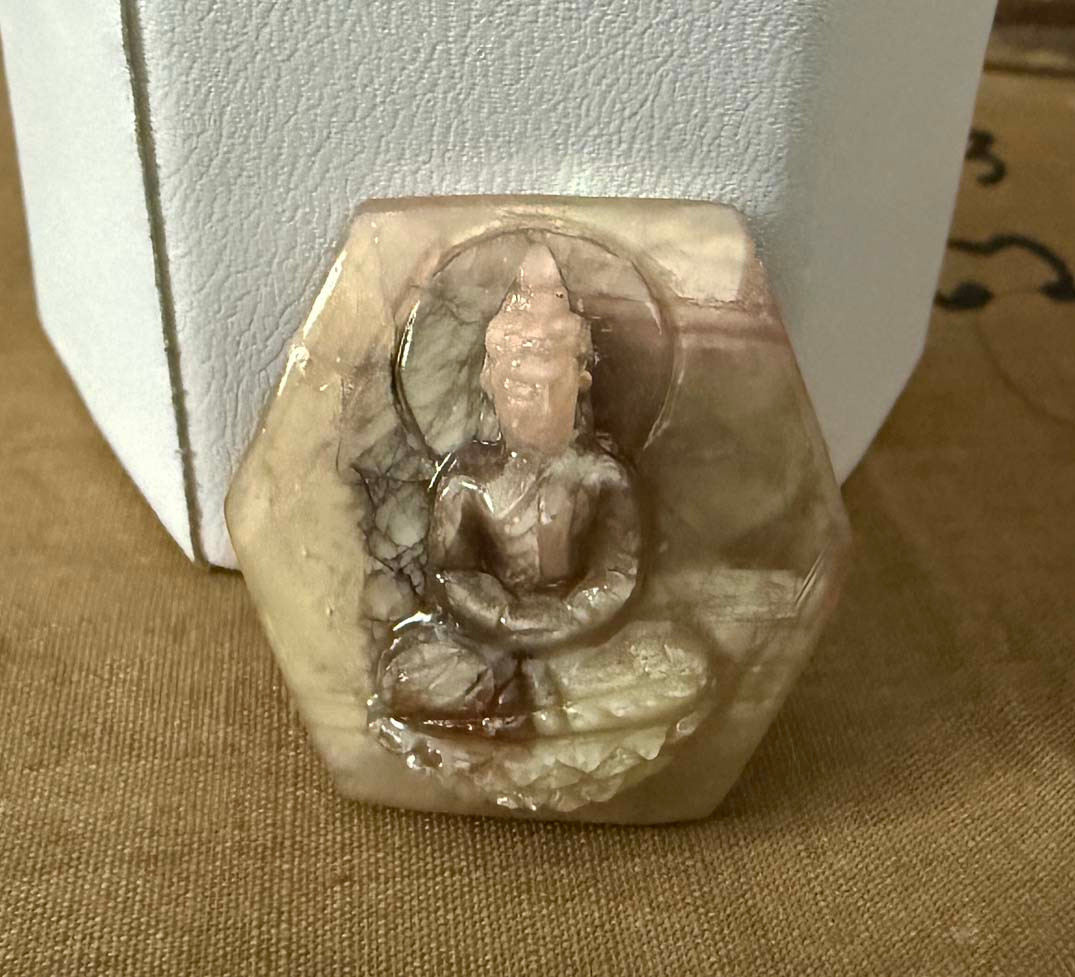
Examination reveals a fine hand carved and polished peach sapphire rough Buddha amulet, as the title implies. Similar carvings from the same source were found along with this one and others were used in some of the jewelry we recovered from this estate. We believe they were catalog items among the jewelers of Chanthaburi with the options being choice of gemstone material. Similar designs are still being produced by the jewelers of Chanthaburi today.
~!~
Gautama Buddha in Dhyana Mudra
"Here are representations of the ideal reality of the Buddha through a succession of images reaching back to the Buddha himself.”
“The Buddha is always represented with specific attributes, pose and dress. Each pose, position, and gesture has defined meaning.”
“These are correct depictions and properly rendered in their imagery. They are actual spiritual emanations of the Buddha, and they possess supernatural qualities. Through them, we are able to communicate with the supernatural world by making offerings and praying before them.”~!~
Siddhartha Gautama, known as the Buddha, was born in the sixth century B.C., in what is now modern Nepal. His father, Suddhodana, was the ruler of the Sakya people and Siddhartha grew up living the extravagant life of a young prince. According to custom, he married at the age of sixteen.
For six years, He submitted himself to rigorous ascetic practices, studying and following different methods of meditation with various religious teachers. But he was never fully satisfied. One day, however, he was offered a bowl of rice from a young girl and he accepted it. In that moment, he realized that physical austerities were not the means to achieve liberation. From then on, he encouraged people to follow a path of balance rather than extremism. He called this The Middle Way.
That night Siddhartha sat under the Bodhi tree, and meditated until dawn. He purified his mind of all defilements and attained enlightenment at the age of thirty-five, thus earning the title Buddha, or "Enlightened One". For the remainder of his eighty years, the Buddha preached the Dharma in an effort to help other sentient beings reach enlightenment.
In one textual account, a hunter stumbled upon the Buddha in the forest. When he saw the former prince sitting in the middle of the forest, he noticed the bald head of the Buddha and took this as a bad omen and ended his hunt for the day because of it. Convinced this was a brahmana until he approached and noticed the ascetic was missing the usual shikha, or a tuft of hair on the back of the head, that brahmanas usually wore. This evidences leads one to question whether the Buddha had an ushnisha or not.
And that our friends concludes the write-up for this unusual Buddhist artifact with an extraordinary provenance that is much nicer than the photographs are able to depict.
We have been contacted and visited by a number of people who were interested in the items from this estate since our first batch was listed. Among the buyers have been known psychics and practitioners. More than one, after adorning themselves or handling their purchase, stated, "this is a woman of power!" Many of our customers, after receiving items from this estate have reported dream contacts and other unexplained phenomenon.
Unusual, authentic Voodoo Priestess Estate piece and at a bargain price!
This is truly a rare opportunity to own anything with attributes to this estate. The majority of this estate is now gone. Most of what we had left, and it was considerable, has been split up and sold to a couple of private, foreign collector practitioners and will never be available to the public again. We made the decision to do this as we have had some pretty strange visits from even stranger individuals and there have been enough unexplained phenomenon going on in the warehouse where her things were kept that many of our employees refused to go in there.
The pieces offered and sold here are some of the few remaining pieces that will ever be offered to the public.
Nice addition to any collection, altar, wardrobe or decor, displays really well.
Really doesn't get any better than this.
There are 14 photographs below to tell the rest of this tale.
Buyer to pay $0.00 for Insured Ground Shipping with Tracking and handling with lagniappe.
Rest assured your order will be carefully packed to withstand the onslaught of the most deranged of parcel carriers.

International Buyer's, please email us for a shipping quote.
Payment is due at listing end.
Check our other items and sign up for our newsletter as new items are usually listed daily.
©Text and Photos Copyright 2001-2026 bushidobuce, all rights reserved.
~!~